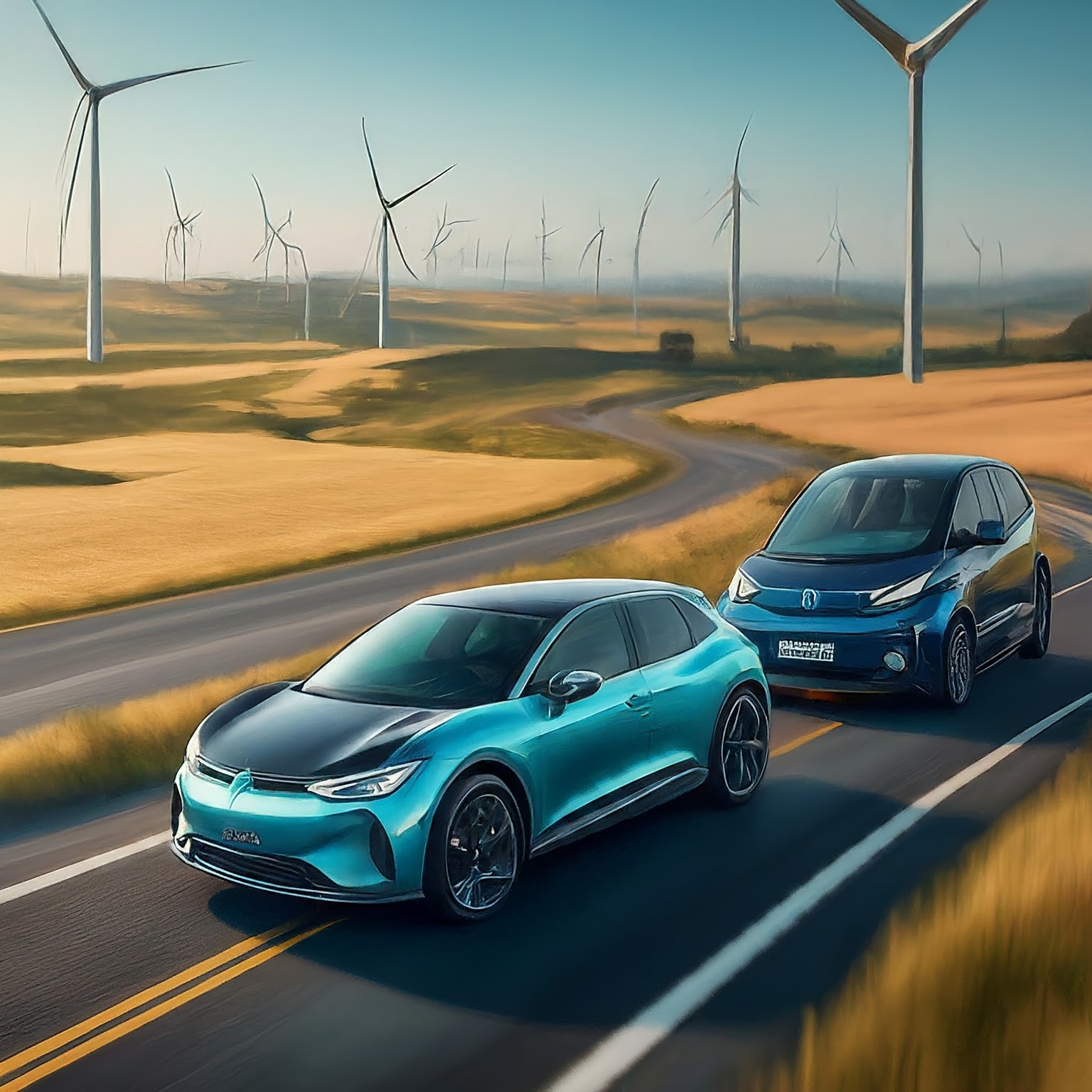
In recent years, the automotive industry has witnessed a remarkable shift towards electric vehicles (EVs), with hybrid, plug-in hybrid, and battery electric vehicles (BEVs) gaining significant market share in the United States. According to data from Wards Intelligence, combined sales of these eco-friendly vehicles rose to 16.3% of total new light-duty vehicle (LDV) sales in 2023, marking a notable increase from 12.9% in 2022.
This surge in EV sales can be attributed to several key factors. Firstly, the availability of BEV models has increased, offering consumers more options to choose from. Additionally, hybrid vehicles have become more accessible in popular size classes, while the declining prices of BEVs have made them increasingly affordable. Manufacturer price cuts, combined with government incentives like the Clean Vehicle Credit, have further contributed to the affordability of EVs.
Despite challenges such as the semiconductor chip shortage, which impacted vehicle production, EV sales continued to rise, reaching their highest share of total LDV sales in the second half of 2023 at 17.9%. Manufacturers introduced 20 new BEV models during the year, with half of them belonging to the crossover segment, which has seen a significant increase in popularity in recent years.
One of the most significant developments in the EV market is the decline in BEV prices. The average transaction price for BEVs fell to $50,798 in December 2023, a 24.2% decrease from the price peak in the second quarter of 2022. Tesla’s price cuts played a significant role in this decline, with the average price of Tesla vehicles dropping by 29.0% during the same period.
Another notable trend is the increasing market share of luxury EVs. Luxury vehicle sales surpassed their 2019 levels in 2021, with BEVs accounting for 31.3% of the total luxury vehicle market in 2023. This aligns with the current slate of BEV models offered by manufacturers, with 61% classified as luxury vehicles.
The rise of EVs is not only beneficial for consumers but also crucial for addressing climate change. By transitioning to electric transportation, we can significantly reduce greenhouse gas emissions and mitigate the environmental impact of traditional combustion engine vehicles.
The increasing adoption of EVs represents a significant step towards a more sustainable future. As EVs become more accessible and affordable, consumers have the opportunity to save money on fuel and maintenance costs while reducing their carbon footprint. Together, we can drive towards a cleaner, greener transportation system that benefits both people and the planet.
Get the next swap before it’s public
I send new vetted swaps, the economics behind them, and the occasional warning about a product that did not earn its hype. No spam, I never sell your address, and you can unsubscribe anytime.


Leave a Reply