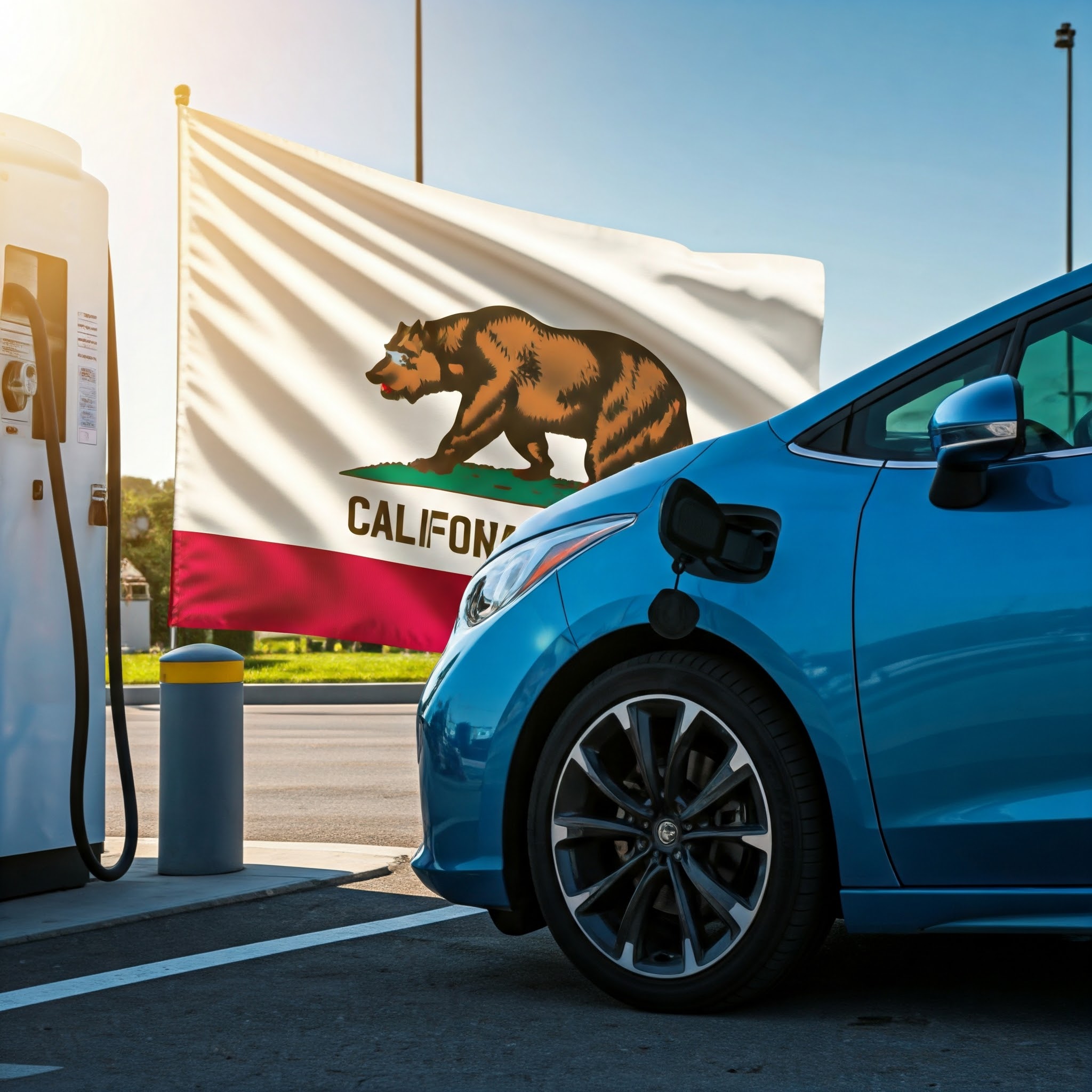
California is once again at the forefront of climate action with the approval of a $1.4 billion plan to expand zero-emission vehicle (ZEV) infrastructure. The California Energy Commission (CEC) aims to supercharge the state’s clean transportation network, including a vast expansion of EV charging stations and hydrogen fueling infrastructure. The initiative represents a monumental step toward California’s ambitious goal of achieving carbon neutrality by 2045, with substantial economic, environmental, and social benefits in sight.
Key Highlights of the Plan
The funding will be directed toward building a robust network of EV chargers and hydrogen stations, with a particular focus on accessibility for underserved and low-income communities. The infrastructure expansion will support California’s burgeoning EV market, which has already surpassed 1.8 million vehicles. This initiative also addresses the pressing need to enhance the availability and reliability of charging and fueling options for medium- and heavy-duty vehicles, crucial for decarbonizing transportation across sectors.
Why It Matters
- Environmental Benefits: By reducing reliance on fossil fuels, this program will significantly cut greenhouse gas emissions and improve air quality, particularly in areas most affected by pollution.
- Economic Growth: Investments in clean transportation infrastructure create jobs in construction, technology, and maintenance, while spurring innovation in green industries.
- Equity in Action: A significant portion of the funds is earmarked for disadvantaged communities, ensuring that the benefits of clean transportation are widely shared.
Broader Perspectives
The announcement has sparked a range of reactions and insights from industry experts and media outlets:
- Community Focus: According to Hoodline, the emphasis on lower-income communities highlights a commitment to equitable climate solutions, addressing barriers to EV adoption such as high costs and limited charging access.
- Innovative Technologies: Electrive discusses how hydrogen fueling stations complement EV chargers, making the program a dual-pronged approach to electrification and long-haul transport needs.
- National Leadership: Environment + Energy Leader notes that this plan positions California as a global leader in clean transportation infrastructure, setting a benchmark for other states and countries.
- Industry Impacts: Utility Dive explores the broader implications for energy utilities, emphasizing the integration of renewable energy sources to power EV infrastructure sustainably.
- Policy Alignment: The Washington Post underscores how this aligns with California’s regulatory push for phasing out gas-powered vehicles by 2035, reinforcing the state’s role in driving nationwide EV adoption.
The Road Ahead
California’s $1.4 billion investment is not just about building infrastructure—it’s about building a cleaner, fairer future. By supporting the growth of ZEVs, the state is reducing emissions, creating jobs, and ensuring that all Californians can participate in and benefit from the green economy. This initiative serves as a model for how large-scale public investments can drive transformative change in transportation and beyond.
For more details, visit the California Energy Commission’s announcement here.
Get the next swap before it’s public
I send new vetted swaps, the economics behind them, and the occasional warning about a product that did not earn its hype. No spam, I never sell your address, and you can unsubscribe anytime.


Leave a Reply