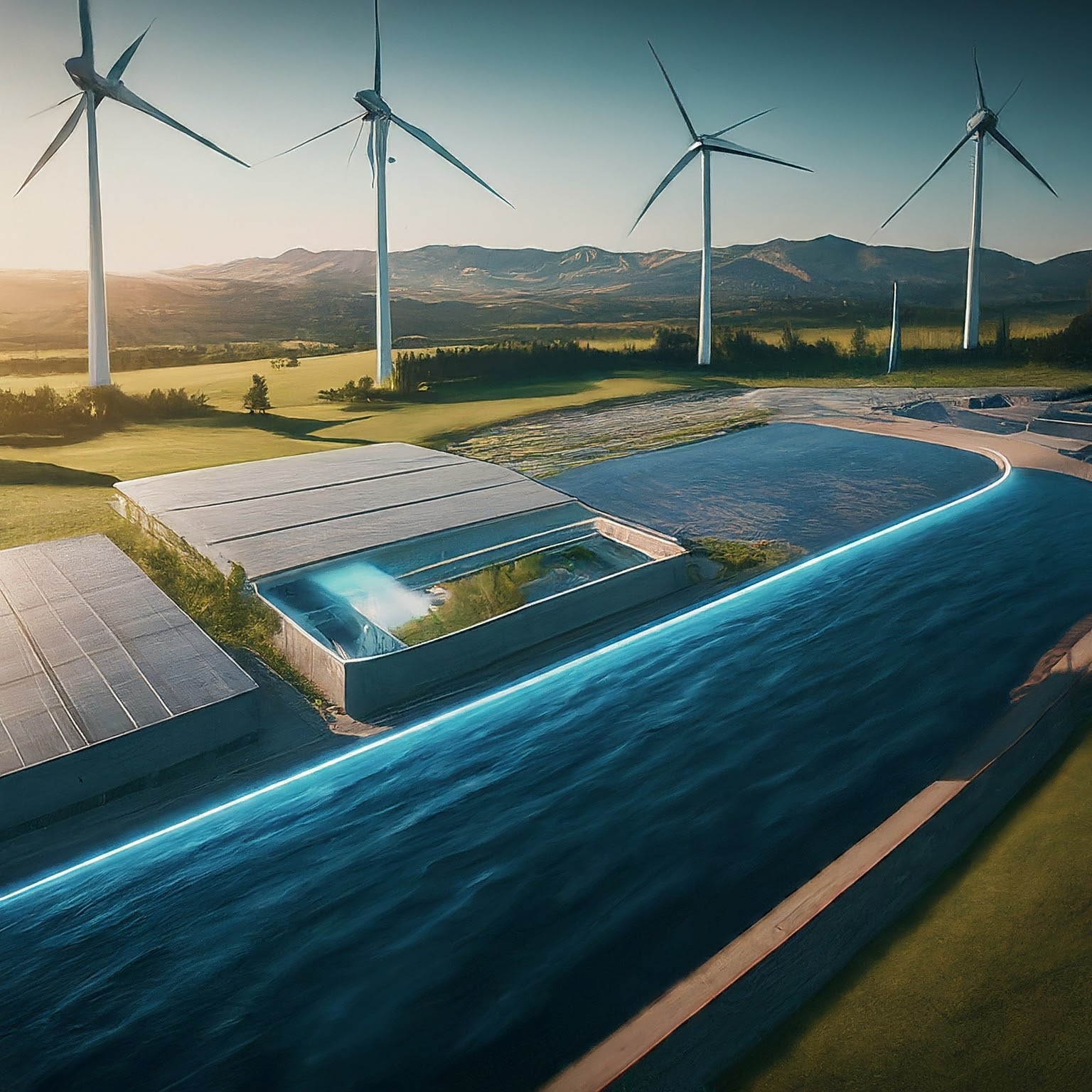
In a groundbreaking study out of Stanford University, Professor Mark Z. Jacobson unveils a game-changing finding: combining battery storage with hydrogen fuel cells can effectively ensure low-cost reliability in countries transitioning to 100% clean, renewable electricity grids. This study challenges the prevailing notion that fossil fuels are indispensable for maintaining a reliable power supply around the clock.
Jacobson’s research, utilizing advanced computer modeling, demonstrates that a combination of renewables, battery storage, and hydrogen fuel cell storage can power grids continuously without the need for fossil fuels. This revelation comes at a crucial moment as the world grapples with the imperative to shift away from fossil fuels to combat air pollution, enhance energy security, and address the climate crisis.

One of the key takeaways from the study is the potential for significant cost savings. Transitioning to clean power could reduce countries’ overall annual energy costs by approximately 61%. We are already seeing it in the numbers: solar and storage made up 81% of new U.S. capacity in 2024.This finding challenges skeptics who argue that renewable energy sources are too expensive or unreliable to replace traditional fossil fuels.
“The results provide countries with concrete evidence and the confidence that 100% clean, renewable grids not only lower costs but are also just as reliable as the current grid system,” Jacobson asserts.
The study addresses a common concern regarding the intermittency of renewable energy sources like wind and solar power. Jacobson’s analysis identifies batteries and green hydrogen as viable alternatives to fossil fuels for energy storage. Green hydrogen, produced from renewable electricity, emerges as a particularly promising solution for long-term energy storage.
Jacobson’s research evaluated various storage options, including existing hydropower dams, batteries, and green hydrogen, across 145 countries. The findings indicate that a combination of existing hydropower and batteries can prevent blackouts globally. However, incorporating green hydrogen into the mix can further reduce energy costs in specific regions.
Crucially, the study underscores the importance of integrating hydrogen production and storage for both grid and non-grid purposes, such as steel and ammonia production and long-distance heavy transport. By leveraging economies of scale, this integrated approach can enhance overall cost-effectiveness.
The research, published in iScience, draws on sophisticated computer modeling techniques to assess the feasibility and economic viability of clean, renewable electricity grids. Notably, several countries, including the United States, are already making significant strides towards renewable energy adoption. Eleven U.S. states currently derive 51-97% of their electricity from renewables, with wind and solar power leading the way.
Jacobson’s study not only dispels the myth that fossil fuels are indispensable for reliable electricity but also provides a roadmap for policymakers and energy planners to transition towards sustainable energy systems. By embracing innovative storage solutions and maximizing the potential of renewable resources, countries can achieve a cleaner, more affordable energy future.
Get the next swap before it’s public
I send new vetted swaps, the economics behind them, and the occasional warning about a product that did not earn its hype. No spam, I never sell your address, and you can unsubscribe anytime.


Leave a Reply