This post contains affiliate links. If you buy something through one of them, I earn a small commission at no extra cost to you. As always: before buying anything new, consider whether you already own something that works, or whether you can find it secondhand. When a purchase does make sense, I only link to things I’d actually recommend. Full disclosure policy here.
In their recent investigation into local opposition to renewable energy projects (Across America, clean energy plants are being banned faster than they’re being built), USA Today’s Elizabeth Weise and Suhail Bhat throw a stark spotlight on our struggle to bridge the gap between local concerns and global imperatives. Yet, buried within this challenge lies a potent truth: addressing climate change isn’t just about averting disaster, it’s about unlocking a gateway to unprecedented economic opportunity. This echoes the sentiments expressed in Rebecca Solnit’s piece (‘If you win the popular imagination, you change the game’: why we need new stories on climate) – the fight for our planet requires not just resistance to the negative, but a vibrant narrative of the positive to capture hearts and minds.
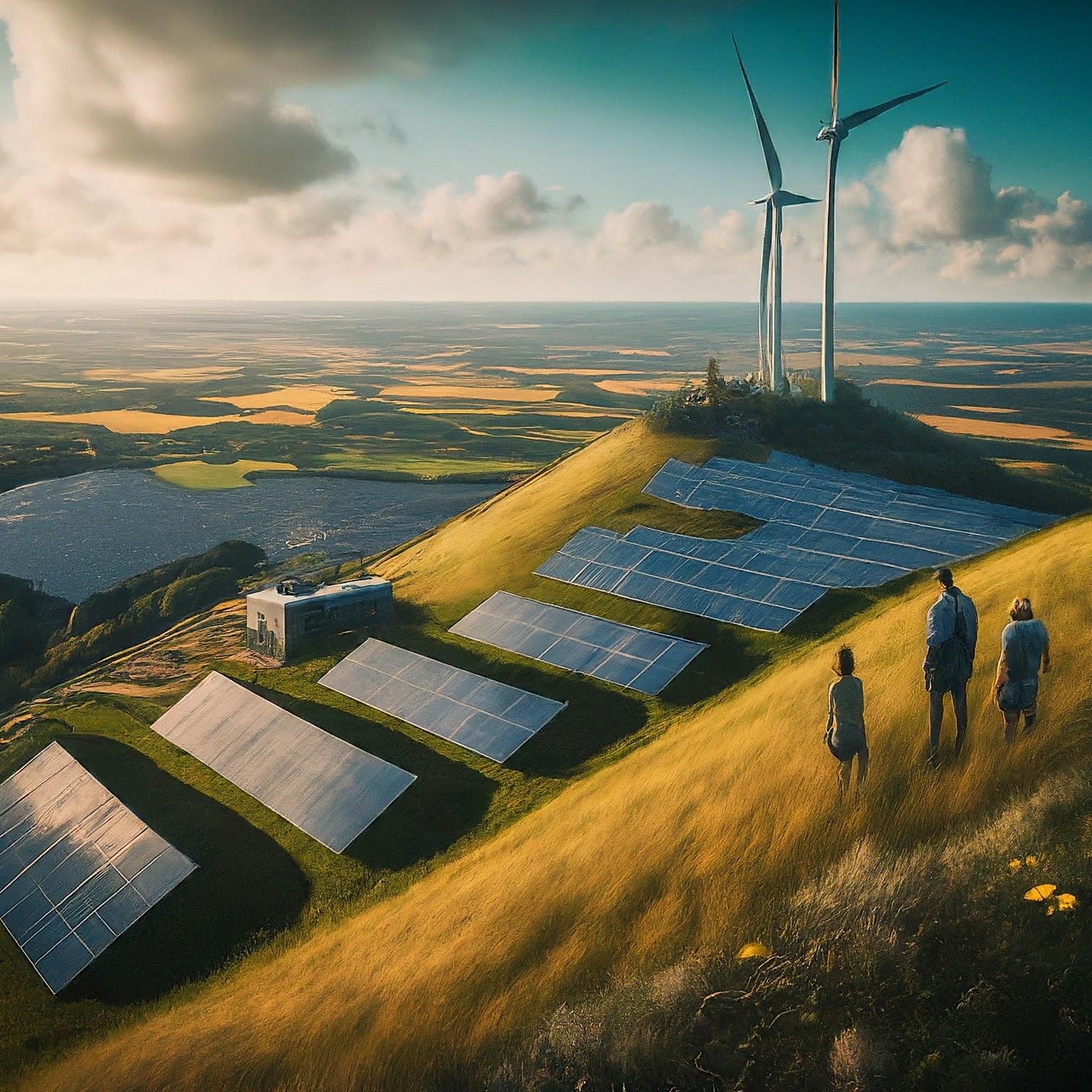
Instead of solely dwelling on the anxieties surrounding wind turbines and solar panels, let’s shift our focus to the vast economic landscape waiting to be explored. Investing in renewables isn’t a burden, it’s a strategic move towards a future powered by clean, cost-effective energy. Imagine thriving green job markets blooming in rural communities, attracting skilled professionals and revitalizing local economies. Picture the billions saved by avoiding the devastating costs of climate disasters – floods, droughts, and extreme weather events. Consider the potential for innovation, as we harness the power of clean technologies to fuel sustainable growth across industries.
Solnit highlights the power of stories to ignite change. We need stories that paint a compelling picture of this positive future, one where rural communities become hubs of green innovation, where clean energy powers sustainable agriculture and attracts eco-conscious tourism. Let’s showcase the farmers embracing solar-powered irrigation, the entrepreneurs building resilient infrastructure, and the young minds leading the charge in green tech development. These stories have the power to inspire, fostering understanding and collaboration between urban and rural communities, shifting the narrative from “sacrifice” to “shared prosperity.”
By embracing this broader vision, we can begin to address local concerns. Instead of fearing property value decline, communities can invest in shared ownership models, ensuring they reap the financial benefits of renewable projects. Concerns about aesthetics can be addressed through innovative design and community engagement, ensuring projects blend seamlessly into the landscape. The key lies in open communication, transparent dialogue, and a genuine commitment to shared prosperity.
The fight for climate solutions isn’t just about averting catastrophe; it’s about seizing an unparalleled opportunity. Let’s move beyond resistance and embrace the economic renaissance waiting to be unleashed. It’s time to write a new story, one where clean energy becomes the engine of economic growth, rural communities become leaders in sustainability, and a thriving future awaits every generation. This is the story that will capture the popular imagination and turn the tide on climate change.
Further reading:
One Green Thing: Discover Your Hidden Power to Help Save the Planet The climate crisis is the biggest challenge of our time, and we all have a unique role to play. Start here and now with this book. In this revolutionary call to action, unlock your superpower through a daily practice of sustainability.
All We Can Save: Truth, Courage, and Solutions for the Climate Crisis NATIONAL BESTSELLER • Provocative and illuminating essays from women at the forefront of the climate movement who are harnessing truth, courage, and solutions to lead humanity forward.
This post contains affiliate links. If you buy something through one of them, I earn a small commission at no extra cost to you. As always, the best eco choice is usually to keep using what you have, or to find what you need secondhand. I only link to things I’d actually recommend. Full disclosure policy here.
Get the next swap before it’s public
I send new vetted swaps, the economics behind them, and the occasional warning about a product that did not earn its hype. No spam, I never sell your address, and you can unsubscribe anytime.


Leave a Reply